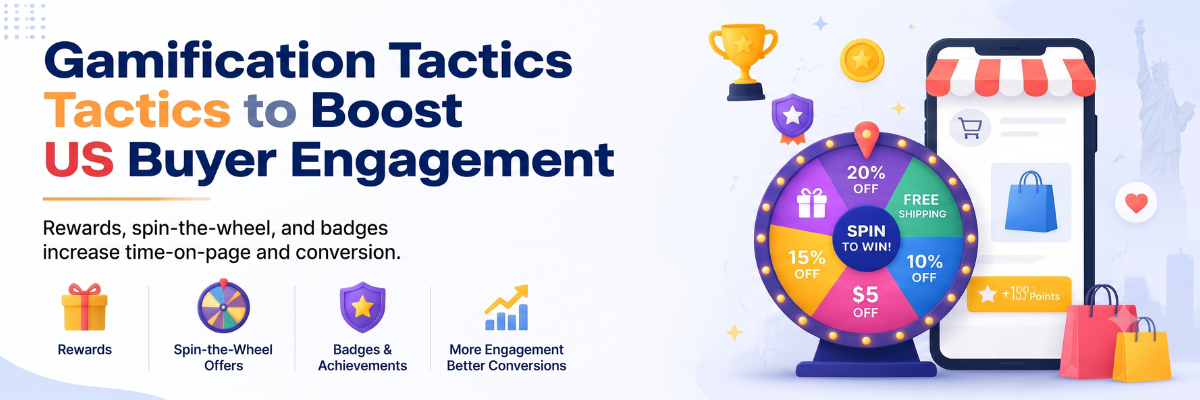
Online shopping is no longer just about finding a product and clicking “Buy Now.” US consumers increasingly expect interactive, personalized, and memorable shopping experiences. Brands that create engaging journeys can capture attention longer, build stronger emotional connections, and encourage more purchases.
One powerful way brands are improving customer interaction is through gamification — the use of game-like elements such as rewards, challenges, badges, and interactive experiences to influence buyer behavior.
A well-planned marketplace engagement strategy using gamification can transform passive shoppers into active participants, increasing engagement, trust, and conversion rates.
What Is Gamification in Ecommerce?
Gamification applies psychological principles from games to ecommerce experiences. Instead of simply presenting products, brands encourage shoppers to interact, explore, and complete actions by offering small incentives or achievements.
Examples include:
- Spin-the-wheel discount offers
- Reward points programs
- Loyalty badges
- Limited-time challenges
- Progress trackers
- Interactive product quizzes
- Mystery rewards
The goal is not to turn shopping into a game but to make the buying journey more enjoyable and engaging.
Why Gamification Works: The Psychology Behind Buyer Engagement
Consumer decisions are strongly influenced by emotions, curiosity, and perceived value. Gamification works because it activates several psychological triggers.
1. The Reward Effect
Rewards create a sense of achievement and encourage users to continue interacting with a brand.
For example:
- “Spin to unlock your discount”
- “Complete your profile and earn points”
- “Unlock free shipping after reaching a milestone”
Even small rewards can create excitement and motivate shoppers to take action.
When buyers feel they are receiving additional value, they are more likely to stay engaged and complete purchases.
2. Curiosity Drives Longer Sessions
Interactive elements naturally create curiosity.
A shopper may spend more time exploring a storefront when they encounter:
- A mystery discount
- A surprise offer
- A product recommendation quiz
- A reward challenge
Increased interaction improves time-on-page and gives brands more opportunities to communicate product benefits.
3. Achievement and Recognition Build Loyalty
Badges and progress systems appeal to the human desire for accomplishment.
Examples:
- “VIP Customer Badge”
- “Top Reviewer Reward”
- “Early Access Member”
- “Exclusive Shopper Status”
These recognition-based systems encourage repeat purchases and strengthen brand relationships.
Effective Gamification Tactics for US Marketplaces
1. Spin-the-Wheel Offers
Spin-the-wheel campaigns are one of the most popular ecommerce engagement tools because they combine excitement with instant rewards.
Brands can offer:
- Percentage discounts
- Free shipping
- Bundle offers
- Loyalty points
- Exclusive coupons
For marketplace sellers, these experiences can be integrated through brand websites, landing pages, and promotional campaigns to encourage shoppers before they reach the marketplace.
A simple interactive reward can reduce hesitation and increase purchase intent.
2. Loyalty Rewards Programs
Reward systems encourage customers to return.
Examples:
- Earn points after every purchase
- Unlock discounts after milestones
- Receive birthday rewards
- Get early access to new products
A customer who feels rewarded is more likely to choose the same brand again instead of switching to competitors.
3. Interactive Product Quizzes
Many shoppers hesitate because they are unsure which product fits their needs.
Product quizzes help customers make decisions faster.
Examples:
- “Find your perfect skincare routine”
- “Choose the right home decor style”
- “Which product matches your lifestyle?”
These experiences improve engagement while helping brands collect valuable customer insights.
4. Digital Badges and Customer Milestones
Badges create a sense of progress and exclusivity.
Brands can reward customers for:
- Multiple purchases
- Reviews
- Referrals
- Social engagement
- Membership duration
These small achievements encourage deeper brand interaction.
5. Limited-Time Challenges
Scarcity combined with rewards can increase urgency.
Examples:
- “Complete your first order today and unlock 15% off”
- “Buy three items this month to reach Gold Status”
- “Collect five badges to unlock special rewards”
Challenges motivate shoppers to complete desired actions while creating excitement.
How Amazon Sellers Can Use Gamification Strategies
While Amazon has strict marketplace rules, sellers can still apply gamification principles through their overall brand experience.
Effective approaches include:
Enhanced Brand Store Experiences
Amazon Brand Stores can use engaging layouts, comparison charts, product collections, and storytelling elements to encourage browsing.
Promotional Campaigns
Discount events, coupons, and limited-time offers create urgency and encourage conversions.
Brand Loyalty Outside Amazon
Brands can use email marketing, social media, and websites to build interactive experiences that bring customers back.
A complete Amazon gamification USA approach focuses on improving the customer journey before, during, and after purchase.
Benefits of Gamification for Ecommerce Brands
Higher Engagement Rates
Interactive experiences encourage shoppers to spend more time exploring products.
Increased Conversion Opportunities
More engagement creates more opportunities to educate customers and overcome buying hesitation.
Stronger Customer Loyalty
Rewards and recognition encourage repeat purchases.
Better Brand Differentiation
Gamification helps brands stand out in competitive marketplaces where many products look similar.
Common Mistakes to Avoid
Making Rewards Too Complicated
Customers should understand the benefit immediately.
Offering Rewards Without Strategy
Gamification should support business goals, not just create entertainment.
Ignoring Mobile Users
Most shoppers browse on mobile devices, so interactive experiences must be simple and fast.
Overusing Popups
Too many interruptions can negatively impact the shopping experience.
The Future of Marketplace Engagement
As ecommerce becomes more competitive, brands need new ways to capture attention and build relationships. Gamification combines psychology, technology, and customer experience design to create more meaningful interactions.
Rewards, spin-the-wheel campaigns, badges, and interactive tools are not just entertainment features — they are strategic methods to increase engagement, improve customer confidence, and drive conversions.
For brands competing in US marketplaces, adopting a strong marketplace engagement strategy can become a major advantage in building long-term customer relationships.
Final Thoughts
Buyer attention is one of the most valuable resources in ecommerce. Gamification helps brands turn ordinary shopping experiences into interactive journeys that encourage exploration and action.
By combining rewards, personalization, and psychological triggers, businesses can improve engagement, increase conversions, and create stronger connections with US shoppers.