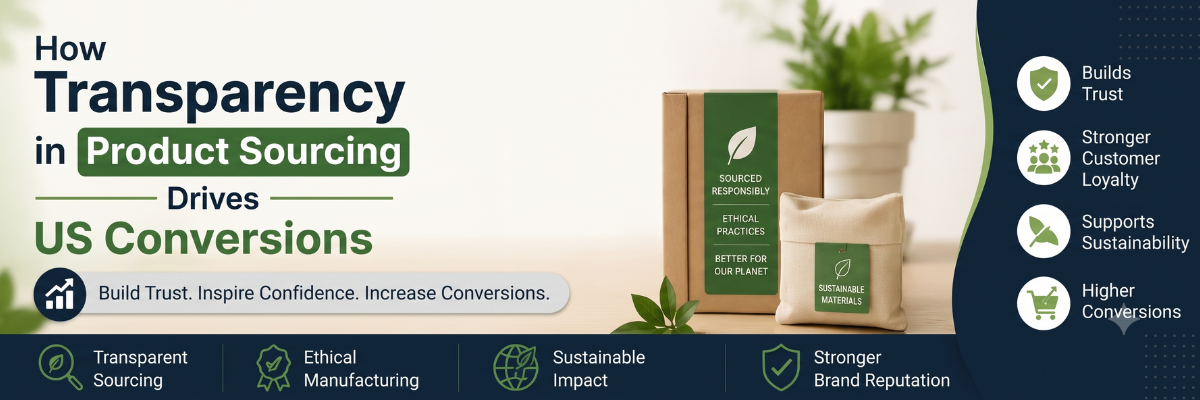
Consumers in the United States are no longer making purchasing decisions based solely on price or product features. They increasingly want to know where products come from, how they are manufactured, and whether the brands they support align with their values. As ethical consumerism continues to grow, transparency in product sourcing has become one of the strongest drivers of trust and long-term customer loyalty.
Whether you sell through Amazon, your own website, or multiple online marketplaces, being open about your sourcing practices can significantly improve customer confidence and conversion rates. In today’s competitive ecommerce environment, honesty is no longer just a brand value—it is a competitive advantage.
The Rise of Ethical Consumerism in the United States
Modern American shoppers are becoming more conscious of the environmental and social impact of their purchases. They are actively researching brands before buying and prefer companies that demonstrate responsibility toward people, communities, and the planet.
Consumers are asking questions like:
- Where was this product made?
- What materials are used?
- Is the manufacturing process environmentally friendly?
- Are workers treated fairly?
- Is the packaging recyclable?
Brands that provide clear, honest answers are more likely to earn trust than those that remain silent.
Why Transparency Increases Ecommerce Conversions
Transparency removes uncertainty from the buying process. When shoppers understand exactly what they’re purchasing, they feel more confident completing the transaction.
Key benefits include:
- Higher customer trust
- Increased purchase confidence
- Lower return rates
- Better customer satisfaction
- Stronger repeat purchase behavior
- Improved brand reputation
Trust is often the deciding factor when customers compare similar products from multiple sellers.
Product Sourcing Information Customers Want to See
Transparency doesn’t require revealing every detail of your supply chain. Instead, provide the information customers genuinely value.
Examples include:
Material Information
Clearly mention whether products are made from:
- Organic cotton
- FSC-certified wood
- Recycled materials
- BPA-free plastics
- Natural fibers
- Eco-friendly packaging
Country of Origin
Customers appreciate knowing where products are manufactured or assembled. Honest origin information increases credibility and reduces purchase hesitation.
Manufacturing Practices
Explain your production standards such as:
- Ethical labor practices
- Responsible sourcing
- Waste reduction initiatives
- Energy-efficient manufacturing
Sustainability Commitments
If your business supports environmental initiatives, share them.
Examples:
- Plastic-free packaging
- Carbon reduction goals
- Tree planting programs
- Recyclable shipping materials
Even small sustainability efforts help strengthen customer trust.
Building Strong Ecommerce Trust Signals
Trust signals reduce buyer hesitation and improve conversion rates. The more credible your brand appears, the more comfortable customers feel making a purchase.
Important ecommerce trust signals include:
Detailed Product Descriptions
Provide accurate product information instead of generic marketing claims.
Include:
- Materials
- Dimensions
- Care instructions
- Manufacturing details
- Certifications
Authentic Product Images
Show products from multiple angles using real photography.
Include:
- Close-up texture images
- Lifestyle photos
- Packaging images
- Size comparison images
Transparency in visuals reduces surprises after delivery.
Customer Reviews
Honest reviews are one of the strongest trust-building tools.
Encourage buyers to share:
- Product quality
- Durability
- Sustainability experiences
- Real-life usage photos
Positive user-generated content reinforces credibility.
Certifications and Badges
Display recognized certifications wherever applicable.
Examples include:
- FSC
- Fair Trade
- USDA Organic
- Recyclable Packaging
- Cruelty-Free
- Carbon Neutral
These visual trust signals simplify purchasing decisions.
Transparency on Amazon
Selling on Amazon means competing against thousands of similar listings. Transparency helps your products stand out.
When creating listings for Amazon sustainable products USA, consider including:
- Sustainable materials in bullet points
- Manufacturing information
- Eco-friendly packaging details
- Certifications
- Brand story
- Honest product benefits
A complete and informative listing builds confidence before customers even read reviews.
The Connection Between Transparency and Brand Loyalty
Trust doesn’t end after the first purchase.
Customers who believe a brand is honest are more likely to:
- Buy again
- Recommend the brand
- Leave positive reviews
- Share products on social media
- Become long-term customers
Transparency transforms one-time buyers into loyal brand advocates.
Avoid Greenwashing
Consumers can quickly recognize exaggerated sustainability claims. Making misleading environmental statements can damage trust and negatively impact your reputation.
Instead of vague claims like:
- Eco-friendly
- Green product
- Sustainable solution
Use specific, verifiable statements such as:
- Made with 80% recycled materials
- Packaging is 100% recyclable
- Responsibly sourced FSC-certified wood
- Manufactured using water-saving production methods
Specificity builds credibility.
How to Add Transparency to Your Ecommerce Store
Practical ways to improve transparency include:
- Add sourcing information to product pages.
- Explain your manufacturing process.
- Share your sustainability initiatives.
- Highlight certifications and quality standards.
- Use authentic product photography.
- Create an About Us page focused on your brand values.
- Publish FAQs addressing sourcing and materials.
- Include supplier or production stories when appropriate.
These improvements strengthen trust throughout the customer journey.
Final Thoughts
As ethical consumerism continues to influence purchasing behavior across the United States, transparency has become one of the most valuable assets an ecommerce brand can offer. Customers want more than quality products—they want honesty, accountability, and confidence in the brands they support.
By openly communicating your sourcing practices, sustainability efforts, and product information, you create stronger ecommerce trust signals that encourage shoppers to buy with confidence. Whether you’re selling on Amazon or through your own online store, transparent product sourcing is no longer optional—it’s a proven strategy for increasing conversions, strengthening customer relationships, and building a brand that earns lasting trust.