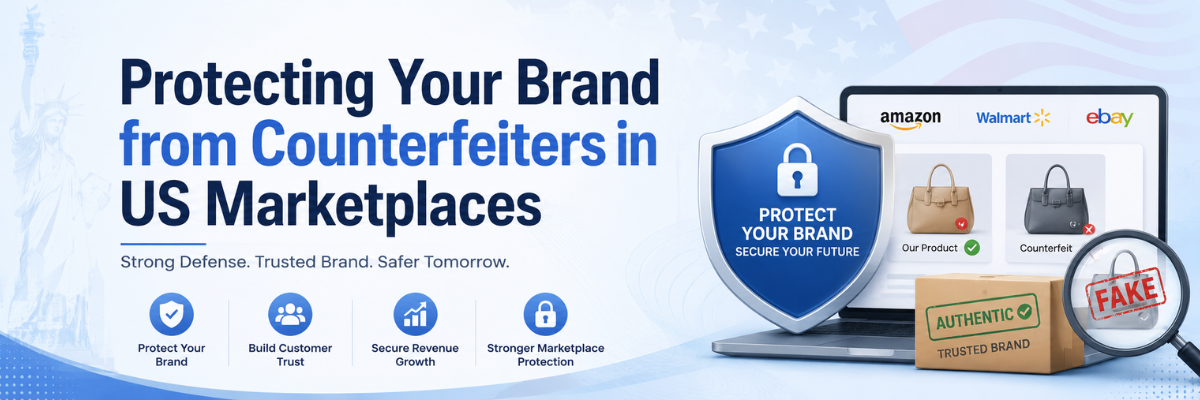
The growth of ecommerce in the United States has created tremendous opportunities for brands, but it has also increased the risk of counterfeit products. Fake listings and unauthorized sellers can damage brand reputation, reduce customer trust, and lead to significant revenue losses. This is why effective Amazon brand protection USA strategies and strong ecommerce risk management practices are essential for long-term success.
Why Counterfeit Products Are a Major Threat
Counterfeit products not only steal sales but also harm customer confidence. When buyers receive low-quality fake products, they often blame the original brand. This can result in:
- Negative reviews and poor ratings
- Lower customer retention
- Reduced marketplace credibility
- Long-term damage to brand equity
For brands selling on Amazon, Walmart, eBay, and other marketplaces, protecting intellectual property has become a critical business priority.
Common Counterfeiting Tactics
Counterfeit sellers typically:
- Copy product images and descriptions
- Use similar logos and brand names
- Create duplicate listings
- Sell products at unrealistically low prices
- Operate through unauthorized seller accounts
Early detection of these activities can significantly reduce potential damage.
Legal Strategies for Brand Protection
Register Your Trademarks
Trademark registration gives businesses stronger legal rights against counterfeiters and helps marketplaces verify ownership.
Use Marketplace Protection Programs
Programs such as Amazon Brand Registry provide tools to:
- Report counterfeit listings
- Monitor unauthorized sellers
- Protect product listings
- Improve control over branded content
These tools play an important role in Amazon brand protection USA efforts.
Proactive Brand Defense Strategies
Monitor Marketplaces Regularly
Brands should frequently check marketplaces for suspicious listings, pricing inconsistencies, and unauthorized sellers.
Secure Your Supply Chain
Implementing product tracking, supplier verification, and inventory monitoring helps reduce counterfeit risks.
Educate Customers
Encourage customers to purchase only from authorized channels and provide guidance on identifying genuine products.
Use Product Authentication Methods
QR codes, serial numbers, and authentication labels can help customers verify product authenticity.
Leveraging Technology for Ecommerce Risk Management
Modern technologies such as AI-powered monitoring tools can identify counterfeit listings, detect image theft, and monitor seller behavior across marketplaces.
Data-driven monitoring allows businesses to quickly respond to threats and strengthen their overall ecommerce risk management strategy.
Conclusion
Counterfeit products remain a major challenge for ecommerce brands in the US market. However, a combination of legal protection, proactive monitoring, and technology-driven solutions can significantly reduce risks.
Investing in Amazon brand protection USA initiatives and implementing effective ecommerce risk management strategies helps businesses protect their reputation, maintain customer trust, and ensure sustainable long-term growth.