Temu
Temu Seller Onboarding in the USA: What Brands Need to Know Before Launching
Temu has become an important marketplace for brands looking to reach new online shoppers in the United States. Its growing customer base...
Read More →Practical guides on selling on Amazon, Walmart, Temu, eBay and Etsy: listings, PPC, account health, fees and growth strategy from the ReyEcomOps team.
Filter by marketplace to find guides for the channel you sell on.
Temu has become an important marketplace for brands looking to reach new online shoppers in the United States. Its growing customer base...
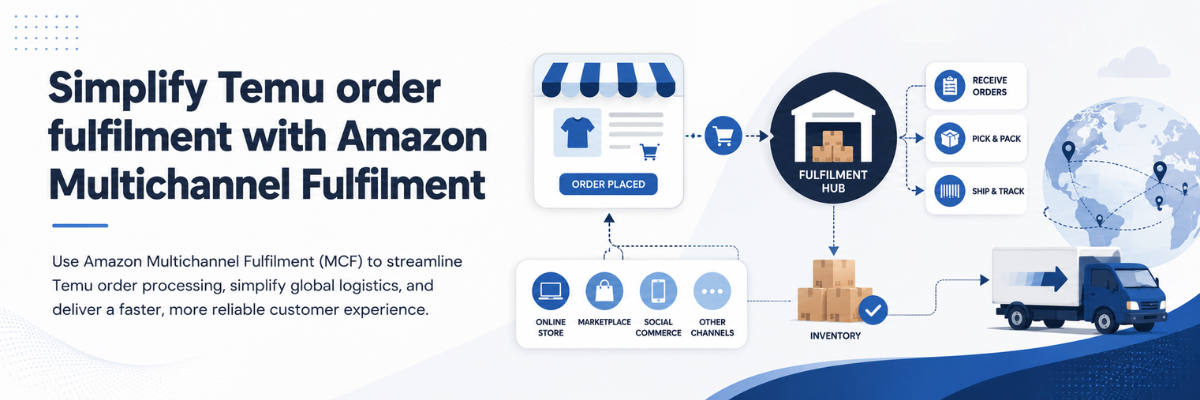
Read More →Expanding your ecommerce business to Temu can help you reach new customers and increase sales opportunities. But as your orders grow, fulfillment...
Read More →Returns and refunds are no longer just a customer service issue; they directly impact seller ratings, account health, and long-term profitability. As...
Read More →As Temu rapidly expands across global markets, sellers who move early and strategically are securing massive visibility, traffic, and sales. But succeeding...
Read More →As you plan your e-commerce expansion, choosing the right marketplace for your business is key. With three major players—Amazon, Walmart Marketplace and...
Read More →Top 5 Mistakes Sellers Make on Walmart, eBay & Temu (and How Professional Account Management Services Fix Them) Selling on multiple marketplaces...
Read More →Temu’s Explosive Growth: Seller Challenges & Proven Solutions to Still Win Early Temu’s rise has been phenomenal—but behind the hype, sellers are...
Read More →If you’re a new seller on Temu, you’ve probably asked yourself:“Why aren’t my products ranking even though I listed them correctly?”Or even...
Read More →5 Simple Steps to Boost Marketplace Visibility with Ecommerce Account Management In today’s competitive e-commerce world, visibility determines your success. Whether you...
Read More →Put what you read into practice with free calculators and an expert audit.
Estimate Amazon fees and profit per product before you list or reprice.
Use Calculator →Check Walmart referral fees and margins per item before you launch.
Use Calculator →Get a review of your listings, ads and account health with a clear growth plan.
Get Your Free Audit →Answers to the questions sellers ask most about Amazon, Walmart and Temu.
Get a free audit of your store and discover growth opportunities.