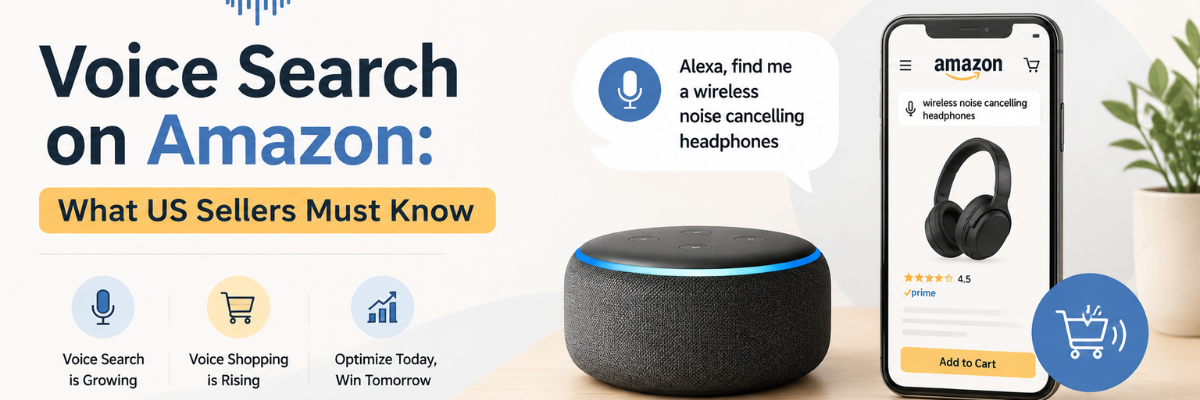
The way consumers shop online is evolving, and voice search is at the forefront of this transformation. With smart devices like Amazon Echo and Alexa becoming household staples, Amazon voice search is emerging as a crucial channel for driving sales and visibility in the U.S. marketplace.
Why Voice Search Matters for US Sellers
Voice shopping queries are more than just a trend—they’re a shift in consumer behavior. Buyers are increasingly using natural, conversational phrases to find products. For example, instead of typing “wireless earbuds,” a customer might say, “Alexa, find the best wireless earbuds under $50.” This shift means sellers must adapt their marketplace SEO strategies to capture this traffic.
Key Differences Between Text and Voice Search
- Conversational Queries: Voice searches are longer and phrased more like everyday questions.
- Local and Contextual Intent: Many voice searches include location, brand preference, or price.
- Quick Decision Focus: Customers using voice are often ready to purchase immediately, favoring top-ranked, highly relevant listings.
Optimizing Your Amazon Listings for Voice
To make your products voice-search friendly:
- Incorporate Long-Tail Keywords: Use natural, question-based phrases in titles, bullet points, and descriptions.
- Answer Specific Questions: Think about what your target customers might ask Alexa and include concise answers in your content.
- Focus on Readability: Voice assistants prioritize clear, structured information. Use easy-to-read formatting with bullet points and short sentences.
- Optimize for Featured Snippets: Highlight key product details such as size, color, and price upfront.
Leveraging Voice Search Data
Amazon provides seller tools and analytics that can help track how users find your products via voice. Pay attention to search terms, click-through rates, and conversion metrics to refine your listings continually. Incorporating insights from voice search can boost your ranking not only in voice results but across standard Amazon search as well.
Future Trends
As voice shopping grows, integration with smart home devices and Alexa skills will become increasingly important. Sellers who adapt early can capture this rising traffic source and gain a competitive edge in the U.S. e-commerce landscape.
Conclusion
For U.S. sellers, ignoring Amazon voice search is no longer an option. Optimizing listings with conversational keywords, structured content, and clear answers to potential questions can help tap into this growing market. Staying ahead in marketplace SEO ensures your products are found not just by text searchers but by voice shoppers ready to buy.