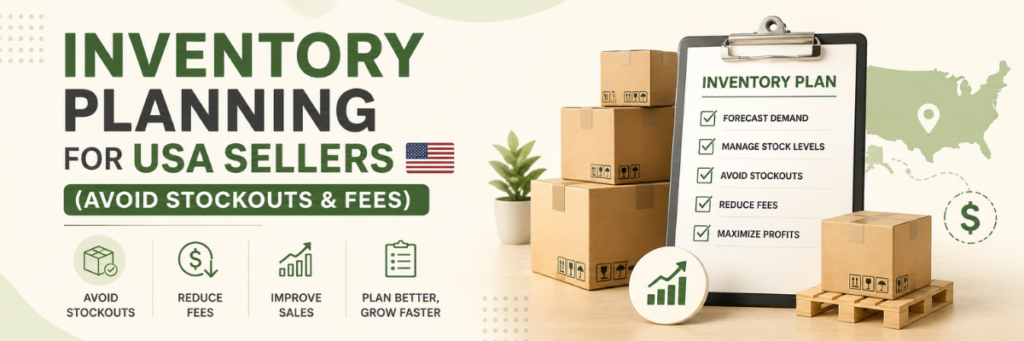
Selling successfully in the USA marketplace is not only about running ads or optimizing listings. One of the biggest reasons sellers lose revenue is poor inventory planning. Running out of stock can damage rankings, reduce visibility, and slow down long-term growth. On the other hand, overstocking products increases storage fees, cash flow pressure, and operational risks.
For growing brands, smart inventory planning is now a critical part of marketplace success.
Why Inventory Planning Matters in the USA Marketplace
USA marketplaces like Amazon and Walmart reward sellers who maintain consistent stock availability. When products frequently go out of stock, platforms interpret this as unreliable inventory management. This can reduce keyword rankings, hurt organic visibility, and impact advertising performance.
At the same time, keeping too much inventory inside fulfillment centers can trigger long-term storage fees, aged inventory penalties, and unnecessary operational costs.
That is why successful brands use structured forecasting instead of guessing demand.
The Real Cost of Stockouts
Many sellers only realize the importance of inventory after facing a stockout situation. The impact goes far beyond temporary lost sales.
1. Organic Ranking Drops
When products become unavailable, keyword rankings often decline. Recovering those rankings can take weeks or even months.
2. PPC Performance Weakens
Advertising campaigns depend on stable inventory. If products go out of stock, campaigns pause or lose momentum, increasing overall advertising inefficiency.
3. Customer Trust Decreases
USA customers expect fast delivery and product availability. Repeated stockouts reduce customer confidence and can impact repeat purchases.
4. Revenue Forecasting Becomes Unstable
Unpredictable inventory creates unstable monthly sales patterns, making business scaling difficult.
Why Overstocking Is Also Dangerous
Some sellers try to avoid stockouts by ordering excessive inventory. However, overstocking creates another set of problems.
Increased Storage Fees
Amazon FBA storage costs continue to rise, especially during peak seasons.
Cash Flow Problems
Excess inventory locks up capital that could be used for advertising, product launches, or operational growth.
Aged Inventory Risk
Products sitting too long in warehouses may become stranded, outdated, or slow-moving.
Lower Operational Flexibility
Overstocking limits the ability to react quickly to changing market trends and seasonal demand.
Smart Inventory Planning Strategies for USA Sellers
Analyze Historical Sales Data
The best inventory decisions start with accurate sales analysis. Review previous monthly trends, seasonal spikes, advertising periods, and promotional performance.
Understanding historical demand patterns helps predict future inventory needs more accurately.
Forecast Based on Lead Time
Many USA marketplace sellers underestimate supplier lead times. Inventory planning should include:
- Manufacturing time
- Shipping duration
- Customs clearance
- Warehouse receiving delays
- Marketplace check-in processing
A delayed shipment can quickly lead to stockouts if buffer inventory is not planned correctly.
Maintain Safety Stock
Safety stock acts as protection against unexpected demand spikes or shipping delays.
Instead of operating with minimum inventory levels, experienced sellers maintain a calculated backup quantity to reduce operational risk.
Monitor Inventory Health Weekly
Inventory management should never be a once-a-month task. Weekly inventory tracking helps sellers identify:
- Fast-moving products
- Slow-moving inventory
- Restock urgency
- Excess stock risks
- Seasonal demand changes
Consistent monitoring improves forecasting accuracy over time.
Align Advertising With Inventory
Running aggressive PPC campaigns without inventory planning is risky. Increased visibility can suddenly accelerate sales velocity and create stock shortages.
Advertising strategies should always align with available stock levels and restock timelines.
How Ecommerce Account Management Services Help
Professional Ecommerce account management services help brands create stable inventory systems that support long-term growth. Instead of reacting to stock problems, experienced teams use forecasting models, inventory tracking tools, and marketplace analytics to maintain balance.
This includes:
- Demand forecasting
- FBA inventory planning
- Restock scheduling
- Inventory health monitoring
- Advertising alignment
- Seasonal sales planning
- Multi-marketplace inventory coordination
Strong inventory management improves profitability while reducing operational stress.
The Role of Marketplace Account Management
As businesses scale across Amazon, Walmart, eBay, and other USA marketplaces, inventory management becomes more complex. Different platforms require different forecasting strategies, fulfillment timelines, and stock allocation systems.
Professional marketplace account management helps brands maintain visibility, avoid unnecessary fees, and scale more efficiently across multiple channels.
Final Thoughts
Inventory planning is one of the most overlooked growth factors in e-commerce. Many USA sellers focus heavily on advertising and listing optimization while ignoring the operational systems that support long-term scaling.
The brands that grow consistently are usually the ones that balance inventory correctly. They avoid stockouts, reduce storage costs, maintain healthy cash flow, and stay prepared for marketplace demand fluctuations.
Smart inventory planning is not just about avoiding problems. It is about building a stable foundation for sustainable marketplace growth.